June 3, 2026
When purchasing a newly constructed home, many buyers assume they are getting a flawless property. However, even brand-new homes can have hidden issues caused by rushed timelines, subcontractor mistakes, material defects or incomplete finishing work. Home inspection services provide an important safeguard by giving buyers a clearer understanding of the home’s actual condition before closing.
Fresh paint, modern appliances and updated layouts can make a new home look move-in ready, but surface appeal does not always reflect construction quality. Problems with framing, roofing, plumbing, electrical systems or drainage may not be obvious during a walkthrough. A professional inspection helps uncover concerns early so buyers can request repairs before they become expensive responsibilities.
The Myth Of Flawless New Construction
New construction involves many workers, materials and deadlines, which leaves room for error. Builders may coordinate multiple crews at once, and each subcontractor may have different standards of workmanship. Even reputable companies can miss details when schedules are tight or when communication between crews breaks down.
Many buyers believe that a new home does not need an inspection because it has already passed local code requirements. However, code approval usually confirms minimum safety standards, not overall craftsmanship. Home inspection services go beyond a basic approval process by evaluating how the finished home functions as a complete system.
Common Buyer Misconceptions
The appeal of a new home can make buyers feel more confident than they should. Modern finishes, clean walls and unused fixtures can create the impression that everything behind the scenes is equally sound. Unfortunately, defects often appear in areas that are not visible during a casual tour.
Some buyers also assume the builder’s warranty will cover every problem after move-in. While warranties can be helpful, they may have limits, exclusions or short deadlines for reporting issues. An inspection before closing gives buyers documentation that can support repair requests while the builder is still responsible for completing the project properly.
Structural And Foundation Concerns
The foundation and framing are among the most important parts of any home. If soil was not compacted properly, concrete was rushed or framing was installed incorrectly, the home may develop cracks, uneven floors or doors that do not close correctly. These issues can become more difficult and expensive to fix after occupancy.
Home inspection services can identify warning signs such as foundation cracks, moisture intrusion, framing irregularities and improper support. Catching these concerns early helps protect the buyer’s investment and gives the builder an opportunity to correct problems before the sale is finalized.
Electrical And Plumbing Defects
Electrical systems in new homes must support appliances, lighting, outlets, smart home features and daily household demand. Faulty wiring, mislabeled breakers, overloaded circuits or improper outlet placement can create safety risks. Even small electrical mistakes should be addressed before they affect daily use.
Plumbing issues can also appear in new construction. Leaks, loose fittings, poor drainage, low water pressure or improperly installed water heaters may not be noticeable right away. A detailed inspection can reveal these concerns before they lead to water damage, mold or costly repairs.
Roofing And Exterior Problems
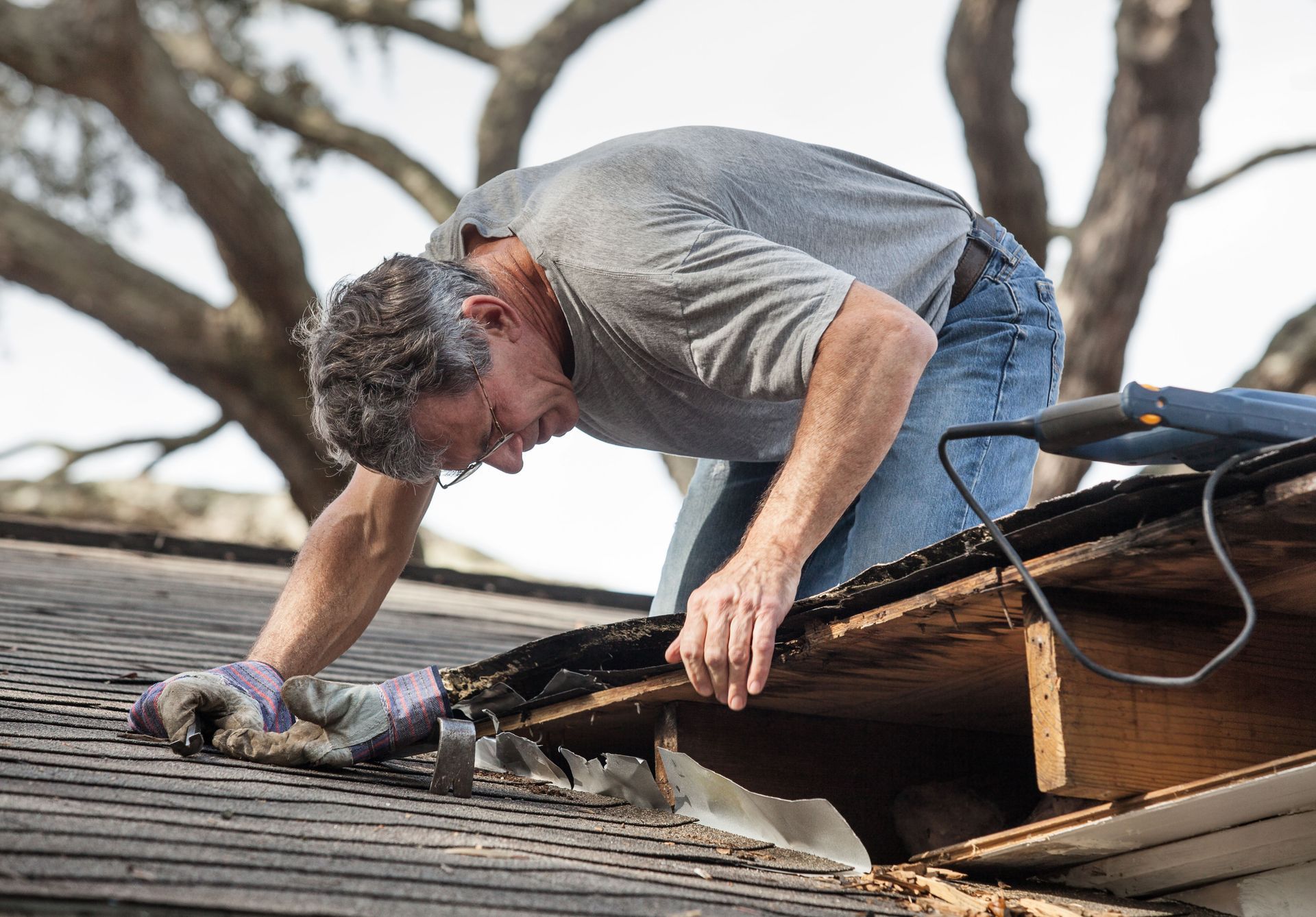
The roof, siding, windows, doors and drainage features protect the home from weather. If shingles are loose, flashing is missing or exterior sealants are incomplete, water can enter the home and damage interior materials. These issues may remain hidden until the first major storm.
Home inspection services also evaluate grading, gutters, downspouts and exterior drainage. Water that flows toward the foundation instead of away from it can create long-term moisture problems. Identifying exterior concerns early helps buyers avoid preventable damage after moving in.
Energy Efficiency And Insulation Issues
Many new homes are marketed as energy-efficient, but poor installation can reduce performance. Missing insulation, air leaks, unsealed ducts or improperly balanced HVAC systems can make rooms uncomfortable and raise utility costs. These problems may not be obvious during a brief showing.
An inspection can help confirm whether the home’s systems are installed correctly and performing as expected. According to The Spruce, most home inspections take at least 90 minutes to complete, with homes larger than 2,000 square feet often taking longer. This thorough process gives inspectors time to carefully evaluate insulation, ventilation, HVAC performance and other important systems that may affect long-term comfort and efficiency. Home inspection services give buyers practical insight into comfort, efficiency and long-term maintenance needs, not just visible construction quality.
Building Codes And Quality Standards
Building codes are important, but they are not the same as a full quality review. A municipal inspection may focus on minimum safety standards at certain stages of construction. It may not evaluate every detail a buyer would care about before taking ownership.
A private inspection gives buyers another layer of protection. The inspector works for the buyer, not the builder, and can provide a more detailed report about defects, incomplete work and maintenance concerns. This independent perspective can be valuable during final negotiations.
Final Walkthrough Protection
The final walkthrough is an important part of the buying process, but it should not replace a professional inspection. Buyers may notice cosmetic issues such as paint touch-ups or scratched flooring, but they may miss problems inside attics, crawl spaces, panels or mechanical systems.
Home inspection services help buyers create a clear repair list before closing. This list can be shared with the builder so unresolved items are documented. A written report also helps reduce confusion about what needs to be fixed and why it matters.
Long-Term Value For Buyers
A new home is a major investment, and buyers deserve confidence in the quality of what they are purchasing. An inspection can reveal defects that might affect safety, comfort, resale value or future repair costs. It can also reassure buyers when the home is built well.
Home inspection services are not about assuming the worst; they are about making an informed decision. By scheduling an inspection before closing, buyers can protect their finances, request needed corrections and move into their new home with greater peace of mind.
Moisture And Ventilation Concerns
Moisture control is another area that deserves close attention in a newly constructed property. Even homes built with modern materials can experience ventilation problems that trap humidity in attics, crawl spaces or bathrooms. Poor airflow may encourage mold growth, wood deterioration and indoor air quality concerns over time. Identifying ventilation issues early allows builders to correct exhaust systems, attic vents or insulation gaps before the homeowner experiences long-term damage.
Improperly sealed windows and doors can also contribute to moisture intrusion. Small gaps around frames may allow rainwater or humid air to enter the home, especially during severe weather conditions. While these openings might appear minor, they can gradually affect drywall, flooring and insulation materials. Home inspection services help uncover these hidden vulnerabilities so buyers can request repairs before closing on the property.
Safety Features And Final Installations
Safety systems should also be reviewed carefully before occupancy. Smoke detectors, carbon monoxide alarms, stair railings and emergency exits all play a critical role in protecting residents. In some cases, devices may be installed improperly or may not function as intended despite the home appearing complete during a walkthrough. A professional inspection helps confirm that these features meet safety expectations and operate correctly.
New construction projects sometimes finish with incomplete details that are easy to overlook during a buyer tour. Missing caulking, loose fixtures, uneven flooring or improperly installed appliances may seem cosmetic at first but could signal broader workmanship concerns. Thorough evaluations provide buyers with a more complete understanding of the property’s condition and allow them to address unfinished work with the builder before taking ownership. Protect your investment and move into your new home with confidence by scheduling a professional inspection with Eagle Inspections today. Our experienced team is ready to provide reliable home inspection services that help uncover hidden concerns before they become costly problems.