November 23, 2026
Buying a home involves much more than finding a property with the right layout, location, and price. A house can look appealing during a showing while hiding conditions that affect safety, comfort, or future expenses. Understanding those conditions before closing gives buyers an opportunity to ask better questions and make decisions based on more than appearances. A local home inspector provides an independent assessment of accessible systems and structural components, helping buyers recognize concerns they might otherwise overlook.
While an inspection cannot predict every future repair or uncover every concealed defect, it can provide valuable context about the property's current condition. The findings can also help buyers distinguish routine maintenance needs from problems that warrant further evaluation. With that information, purchasing decisions become more deliberate and less dependent on assumptions. This is particularly useful when comparing several houses with different ages, conditions, and documented maintenance histories.
Identifying Problems Beyond First Impressions
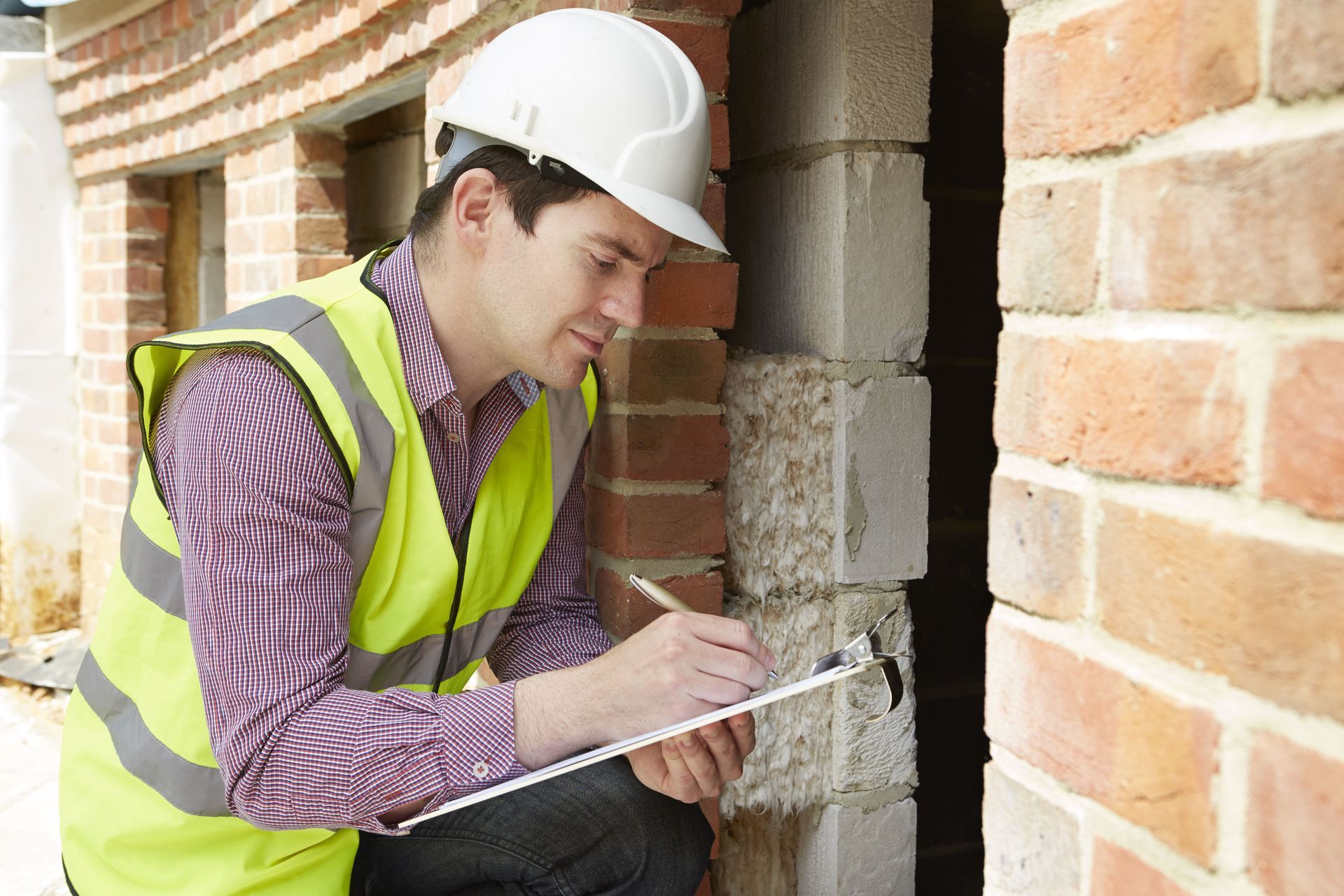
Fresh paint, attractive fixtures, and carefully arranged furniture can make a property feel move-in ready. However, cosmetic improvements do not necessarily reflect the condition of the roof, electrical system, plumbing, or foundation. A local home inspector looks beyond the presentation of a home to evaluate visible and accessible components using established inspection practices. This broader perspective helps buyers understand what they are purchasing rather than focusing exclusively on the features they can see during a tour.
Inspectors may notice stains suggesting past leaks, uneven flooring, damaged materials, or signs of neglected maintenance. They document findings so buyers can consider each concern within the larger picture of the property's condition. Some observations may call for straightforward repairs, while others justify additional investigation by qualified specialists. Recognizing the difference helps buyers avoid treating every issue as either insignificant or an immediate reason to abandon the purchase. For example, a patched ceiling may appear harmless but still merit questions about the original cause.
Evaluating Major Home Systems
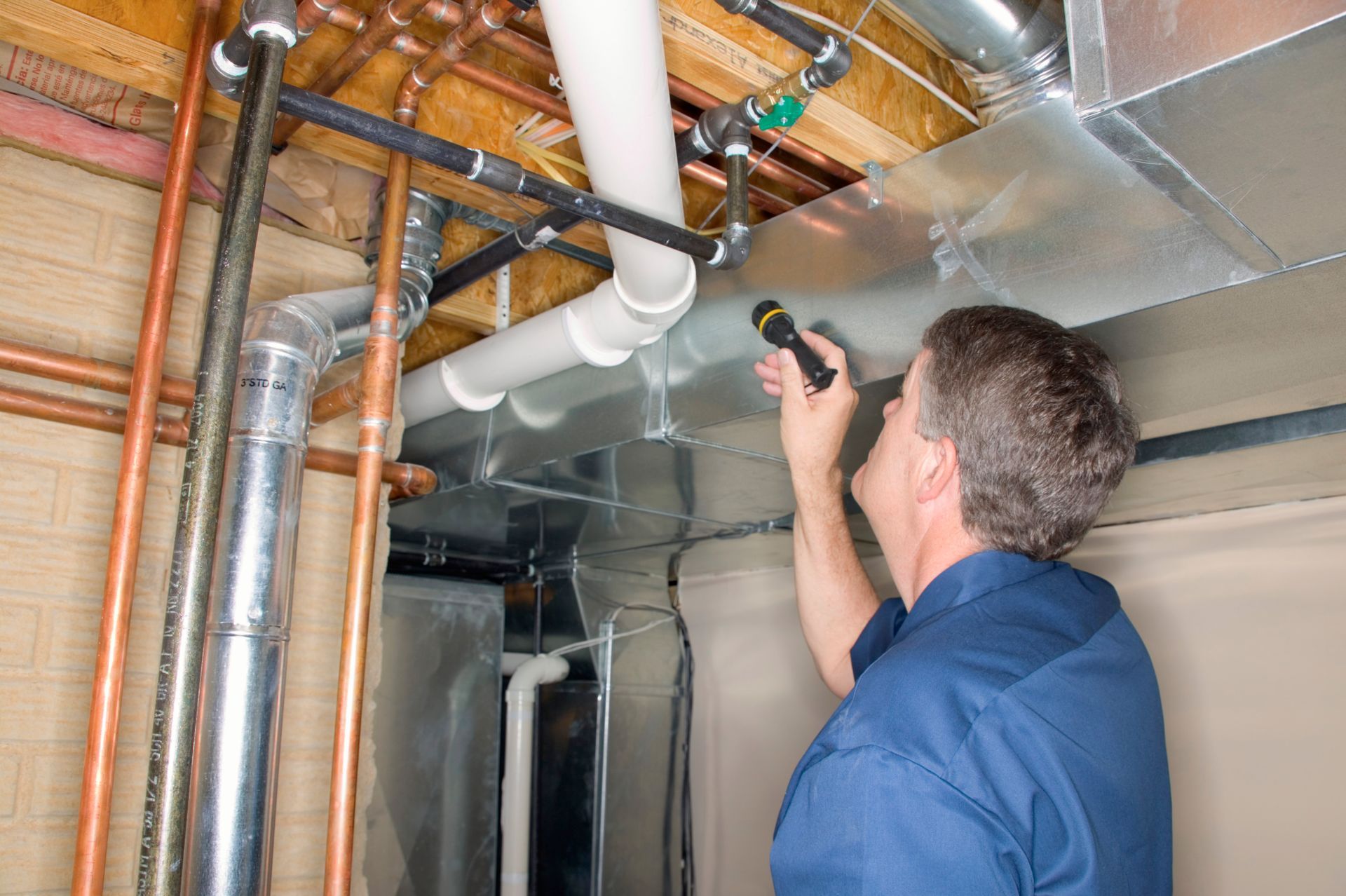
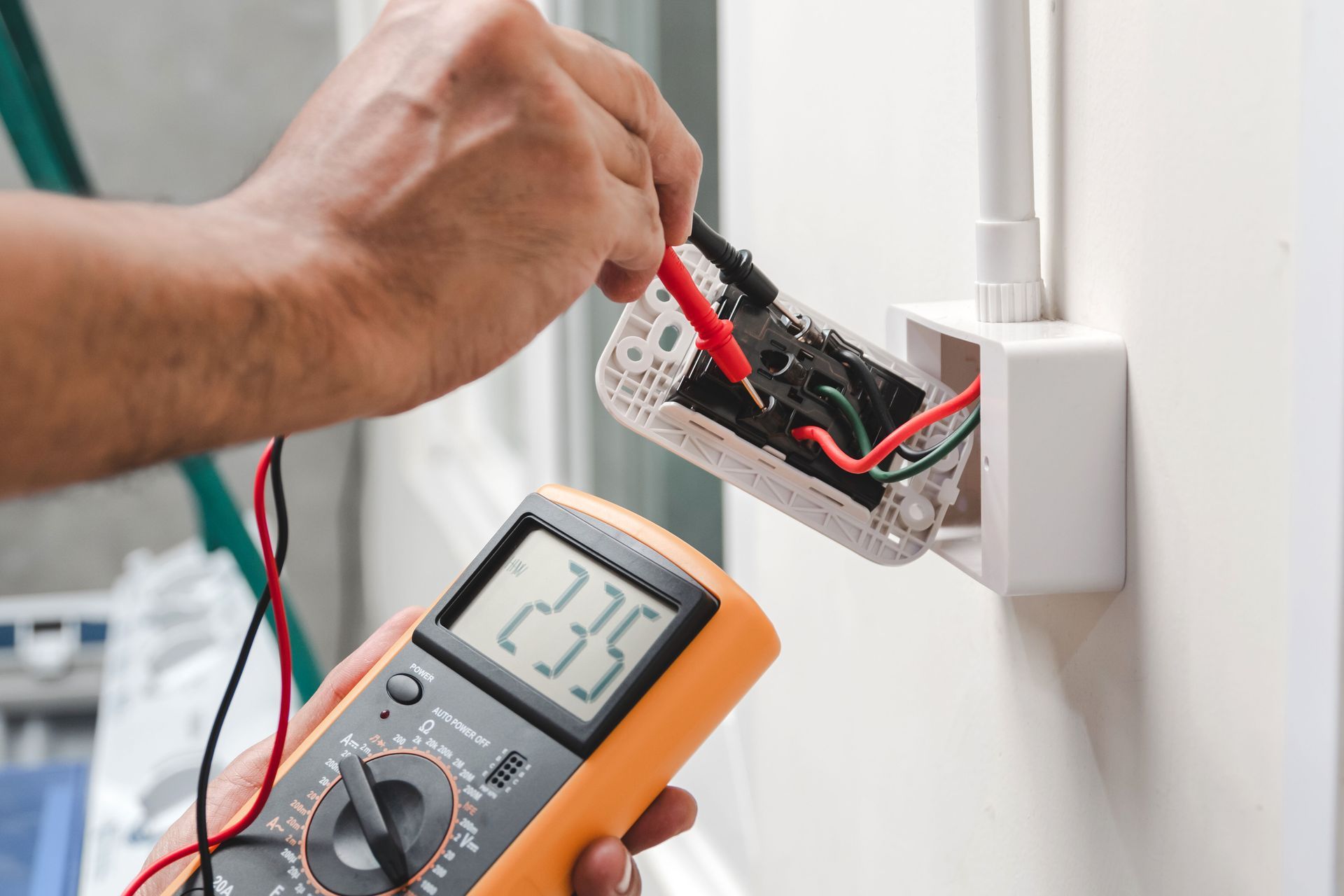
Heating, cooling, electrical, and plumbing systems influence daily comfort and long-term ownership costs. Their condition is not always obvious during a brief walkthrough, particularly when equipment is concealed or operating demands are low. A local home inspector examines accessible components, observes system operation when appropriate, and identifies visible deficiencies that may require attention. Inspection reports may address concerns such as damaged wiring, plumbing leaks, inadequate ventilation, or heating equipment that is not functioning as expected.
An inspection is not the same as a specialized technical assessment, and it does not guarantee how long a system will last. Still, observations about equipment condition and apparent functionality can guide follow-up questions. Buyers might request maintenance records, ask about recent repairs, or arrange further testing when the findings suggest a specific concern. This preparation helps them weigh likely responsibilities before committing to a significant investment. Utility bills and service dates can provide additional context, although neither replaces a professional assessment.
Investigating Moisture and Drainage Concerns
Water damage can spread beyond its original source, affecting finishes, framing, insulation, and indoor conditions. Moisture may enter through a damaged roof, a plumbing leak, or drainage patterns that direct rainwater toward the foundation. A local home inspector reviews visible signs of water intrusion and assesses accessible drainage features, including grading around the home, gutters, and downspout discharge locations.
According to InterNACHI, improper surface grading and drainage is the most frequently reported home defect, cited by 35.8% of surveyed home inspectors, and is often associated with water intrusion in basements and crawlspaces. This finding illustrates why the surrounding landscape deserves attention alongside the building itself. When water collects near a foundation, buyers may need additional information about corrective drainage work or existing moisture damage. An inspector's observations can help determine whether further evaluation is appropriate before the purchase moves forward. Buyers can also ask whether prior waterproofing repairs have addressed the underlying source of moisture.
Assessing Roofing and Exterior Conditions
The roof, siding, windows, and exterior doors help protect a home's interior from weather exposure. Aging materials, damaged flashing, deteriorated seals, and poor installation details can contribute to leaks or inefficient operation. A local home inspector evaluates accessible exterior features and notes conditions that suggest maintenance, repair, or closer examination. Even relatively small defects can become expensive when exposure to rain, snow, and seasonal temperature changes continues over time.
For buyers, these observations provide a clearer picture of exterior upkeep that may be needed after moving in. A report might identify missing shingles, loose handrails, damaged trim, or windows that do not open properly. Buyers can use the information to ask sellers about previous repairs and understand which items may deserve prompt attention. If roof access is limited, a specialist may be needed to investigate concerns that a general inspection cannot fully assess. Exterior maintenance histories may reveal whether recurring problems have been resolved or repeatedly patched.
Clarifying Safety and Maintenance Priorities
A property does not need to be in perfect condition to be a sensible purchase, but buyers should know which deficiencies require attention first. A local home inspector can identify visible safety concerns such as missing guardrails, unsafe stair conditions, electrical hazards, or other issues affecting everyday use. Inspection findings also help separate matters that may be urgent from cosmetic improvements that can wait.
Understanding priorities is especially important for first-time buyers who may not yet be familiar with ongoing home maintenance. An inspection report can serve as an initial reference for planning repairs, monitoring existing concerns, and scheduling professional evaluations. Buyers should discuss potentially serious findings with appropriate contractors rather than assuming an inspection establishes the full scope or cost of corrections. This approach supports informed decisions without overstating what a visual inspection can establish. A realistic timeline for addressing these concerns can also inform move-in plans and early ownership expenses.
Supporting Negotiations and Budget Planning
Inspection findings can influence how buyers approach the final stages of a real estate transaction. When unexpected conditions emerge, buyers may want to request repairs, negotiate a credit, or obtain estimates before proceeding. A local home inspector supplies documented observations that can support these discussions, although any negotiation depends on the purchase agreement, local practices, and the seller's willingness to respond.
The report also helps buyers consider expenses that extend beyond the down payment and monthly mortgage. Replacing worn equipment, addressing drainage deficiencies, or repairing deteriorated exterior materials may change the amount of savings needed after closing. Rather than relying on rough guesses, buyers can consult relevant professionals for estimates tied to specific findings. Knowing the potential financial implications makes it easier to decide whether the property fits their budget and tolerance for future repairs. That added clarity can prevent a seemingly affordable purchase from creating immediate financial strain.
Preparing for Confident Homeownership
A home inspection provides value even when a buyer decides to proceed without requesting changes. A local home inspector can explain observed conditions, point out accessible maintenance features, and clarify which findings deserve continued monitoring. Reading the report carefully and asking questions can help buyers become more familiar with the responsibilities that accompany the property.
No inspection eliminates uncertainty, and buyers should understand any limitations described in the report. However, combining inspection findings with seller disclosures, professional estimates, and personal financial priorities creates a more complete basis for the purchase decision. The objective is not to find a flawless house but to understand its condition, anticipate reasonable obligations, and move forward with clearer expectations. Call Eagle Inspections today to schedule your home inspection service.