November 20, 2026
Buying or maintaining a home involves more than evaluating its appearance. A property can have freshly painted walls and attractive finishes while concealing problems that could affect the safety of its occupants. Outdated wiring, hidden moisture, damaged structural components, and malfunctioning equipment are not always obvious during a casual walkthrough. Recognizing these conditions gives homeowners and prospective buyers an opportunity to address potential hazards.
Professional home inspection services provide an organized assessment of a property's accessible systems and components. Inspectors examine visible conditions, document potential deficiencies, and explain where additional evaluation may be necessary. Although an inspection cannot uncover every hidden problem or guarantee a hazard-free home, it offers information for planning repairs, negotiating a purchase, and improving safety.
Identifying Electrical Hazards
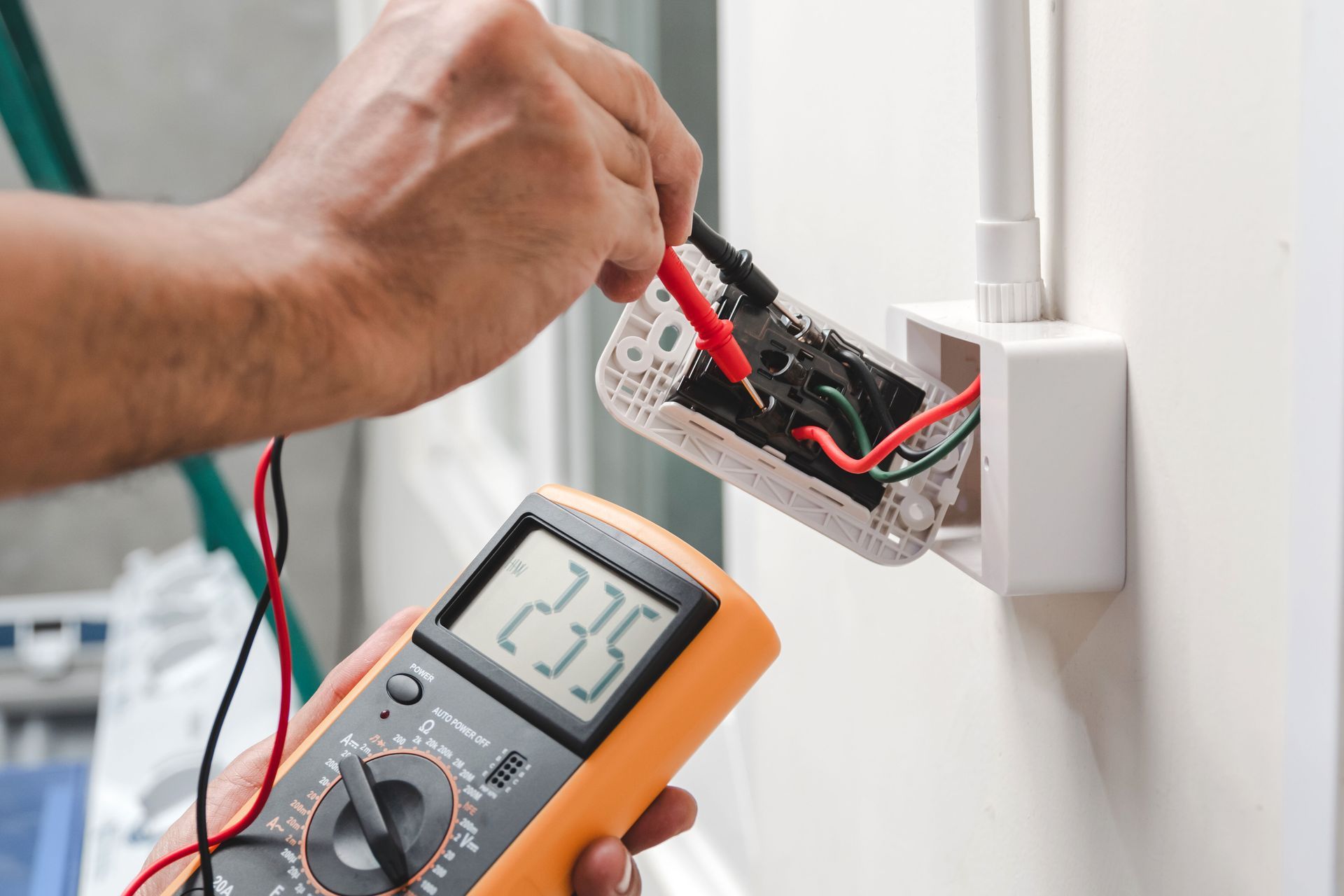
Electrical defects can create shock and fire risks, especially in older houses or properties that have undergone multiple renovations. An inspector typically examines accessible outlets, switches, wiring, and electrical panels for visible signs of unsafe conditions. Missing cover plates, damaged conductors, improper connections, and overloaded circuits may indicate that repairs are needed. Inspectors may also check whether ground-fault circuit interrupter protection is present in locations where exposure to water increases the risk of electric shock.
According to InterNACHI, improper electrical wiring is among the most common home inspection problems, with 19.9% of inspectors reporting it as the defect they encounter most often. Electrical systems therefore deserve attention even when lights and appliances operate normally.
Through home inspection services, homeowners can learn which visible electrical issues warrant evaluation by a licensed electrician. A general inspector does not open walls or perform extensive electrical testing, but documented observations can help prioritize corrective work.
Examining Fire Safety Risks
Fire safety depends on more than the condition of a home's electrical system. Inspectors also look for concerns involving heating equipment, fireplaces, chimneys, and other accessible features that may contribute to dangerous conditions. Examples include visible deterioration around a fireplace, inadequate clearances near heat-producing equipment, and missing or improperly located smoke alarms. Carbon monoxide alarms are another important consideration when a home contains fuel-burning appliances or an attached garage.
Home inspection services can reveal missing safety devices or conditions that suggest additional testing or professional servicing is appropriate. Inspectors may note whether smoke and carbon monoxide alarms are present, but they cannot determine that every device will perform correctly during an emergency.
Owners should follow up on recommendations promptly, particularly when a concern involves combustion appliances or possible carbon monoxide exposure. Maintaining alarms and arranging equipment servicing are practical steps that complement the inspection findings.
Evaluating Structural Concerns
A home's structure supports its walls, floors, roof, and daily activities. Cracks, uneven floors, sagging areas, and damaged framing may signal movement or deterioration, although not every visible irregularity indicates a serious defect. Inspectors look for patterns and related symptoms that may suggest further evaluation is needed. They also review accessible stairs, railings, decks, and balconies for conditions that could increase fall or collapse risks.
Because structural issues can develop gradually, homeowners sometimes become accustomed to changes that deserve closer attention. A loose handrail or deteriorating deck connection, for example, may seem minor until someone relies on it for support. Home inspection services help bring these overlooked conditions into focus through systematic observation.
When an inspector identifies substantial cracking, possible settlement, or compromised structural elements, a qualified structural engineer or appropriate contractor may need to investigate. The inspection report provides a useful starting point without replacing a specialized engineering assessment.
Detecting Moisture and Mold Conditions
Water intrusion can damage building materials, weaken finishes, and create conditions that support mold growth. Warning signs may include discoloration, peeling paint, warped surfaces, musty odors, and staining around windows or ceilings. Inspectors examine accessible areas such as basements, attics, bathrooms, and spaces beneath sinks for evidence of ongoing or previous moisture problems.
A dry surface during the inspection does not necessarily mean a leak has been resolved. Past staining, deteriorated caulking, or poor drainage may still justify follow-up, especially if the property has experienced repeated water intrusion. Home inspection services can identify these visible clues and help owners determine where further investigation would be useful.
A standard inspection is not the same as a comprehensive mold assessment. Inspectors may flag suspected microbial growth, but laboratory analysis or specialized testing may be necessary to establish what is present. Addressing the underlying water source is essential to preventing recurring damage after cleanup.
Assessing Plumbing and Water Systems
Plumbing problems can affect both property conditions and everyday safety. Leaking supply lines, damaged drains, inadequate water pressure, and poorly functioning fixtures may cause water damage or interfere with routine household activities. Inspectors commonly operate accessible faucets, examine visible piping, observe drainage performance, and look for signs of leakage around toilets, sinks, and water heaters.
Water heating equipment deserves particular attention because installation and maintenance problems can create scalding or other safety concerns. An inspector may identify visible corrosion, leakage, missing protective components, or questionable venting on applicable equipment. However, a standard visual inspection cannot reveal the condition of every pipe hidden behind walls or beneath floors.
By using home inspection services, buyers and owners receive a clearer picture of observable plumbing conditions before making major decisions. The report can help distinguish minor maintenance needs from situations requiring prompt examination by a qualified plumber, reducing the likelihood that obvious warning signs will be ignored.
Reviewing Heating and Ventilation Systems
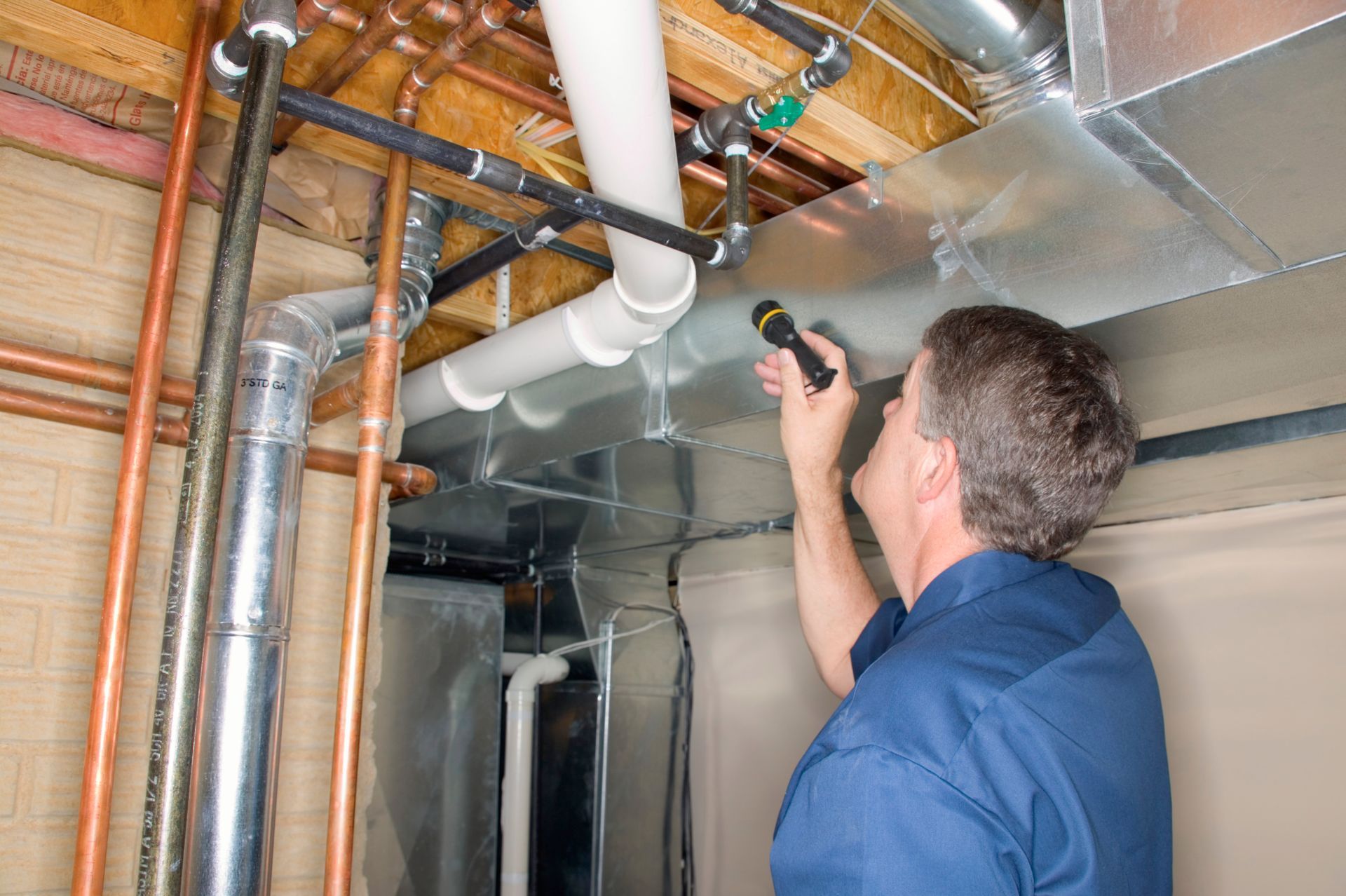
Heating, cooling, and ventilation equipment affects indoor comfort, air movement, and occupant safety. During an inspection, the professional generally evaluates accessible components and operates equipment when conditions permit. Unusual noises, visible deterioration, blocked vents, or signs of neglected maintenance may indicate that a system needs attention. Inspectors may also note venting concerns associated with fuel-burning appliances that should be evaluated by an appropriate specialist.
Ventilation is particularly important in bathrooms, kitchens, and attics, where excess moisture can accumulate. Poor airflow may contribute to condensation and material deterioration, potentially creating additional concerns over time. Home inspection services help identify observable conditions that a homeowner might miss while focusing primarily on temperature and comfort.
Inspection findings should not be mistaken for a complete performance assessment or a prediction of equipment lifespan. Licensed heating and cooling professionals can perform specialized testing, maintenance, and repairs when the report indicates a need.
Documenting Findings and Prioritizing Repairs
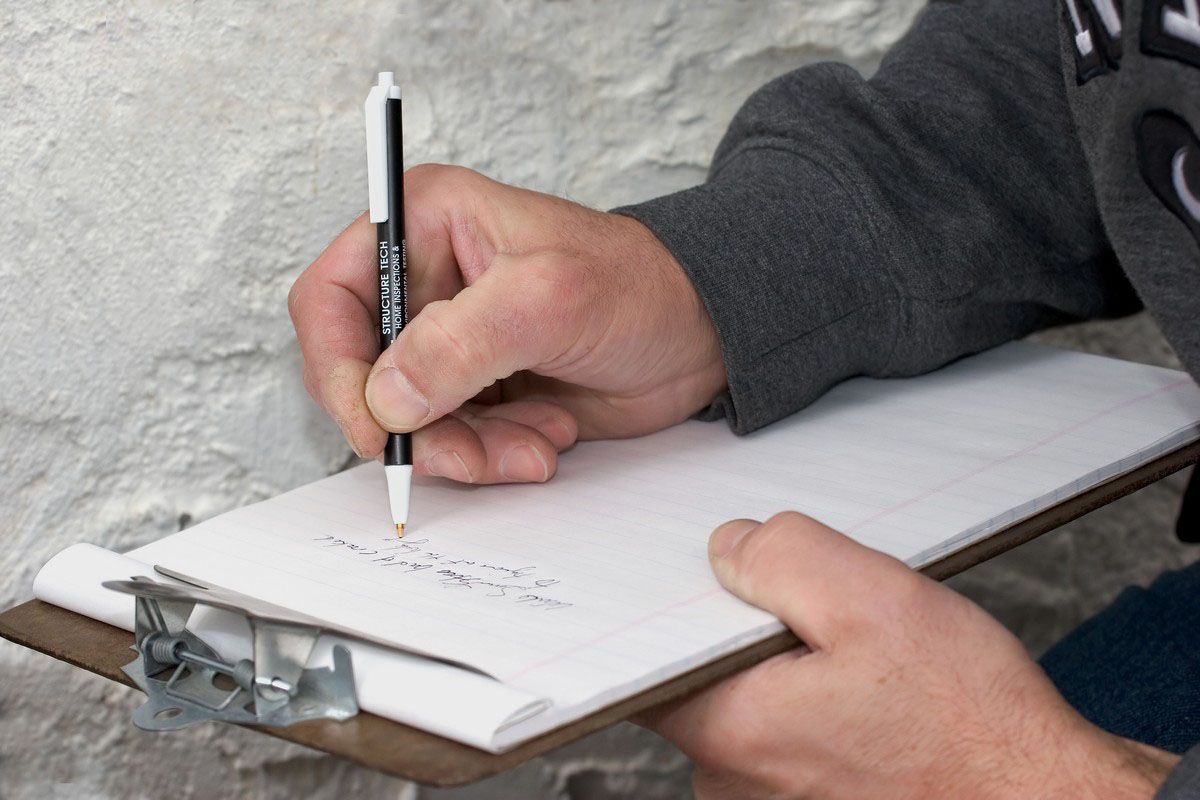
One of the most useful outcomes of a home inspection is a written record of observed conditions. Reports typically describe accessible components, identify defects, and include photographs or explanations that make findings easier to understand. This information can help buyers ask informed questions before closing an
Not every observation requires immediate action. Safety hazards, active leaks, and potentially unstable structures generally deserve attention before routine cosmetic or maintenance items. Home inspection services help organize these concerns, but homeowners should seek qualified specialists when a diagnosis or corrective plan falls outside the inspector's scope.
It is also valuable to retain the inspection report after repairs are completed. Reviewing previous observations during seasonal maintenance can help owners monitor developing issues and make informed decisions about future improvements. An inspection represents conditions observed at a specific point in time, so continued upkeep remains important. Call Eagle Inspections today to schedule your home inspection service.