October 31, 2026
Plumbing leaks can create serious problems for homeowners, especially when they remain undetected. What begins as a minor leak can lead to water damage, mold growth, and expensive repairs. Identifying plumbing concerns early helps protect a property's condition and value.
At Eagle Inspections, we understand the importance of recognizing warning signs before they develop into larger problems. A professional home inspection service can identify visible plumbing defects, moisture concerns, and other conditions requiring attention. Whether you're purchasing a property or evaluating your current home, early leak detection supports informed decisions.
The Importance of Early Leak Detection
Identifying Early Warning Signs
Plumbing leaks aren't always immediately noticeable. Water stains, damp flooring, unusual odors, and discoloration around fixtures can indicate hidden moisture problems. Even a small leak beneath a sink or behind an appliance can gradually damage surrounding materials.
According to Gitnux, plumbing leaks are detected in 18% of inspections. This statistic highlights the importance of evaluating plumbing conditions during professional inspections. Recognizing warning signs allows homeowners to seek repairs before additional damage develops.
Preventing Structural Damage
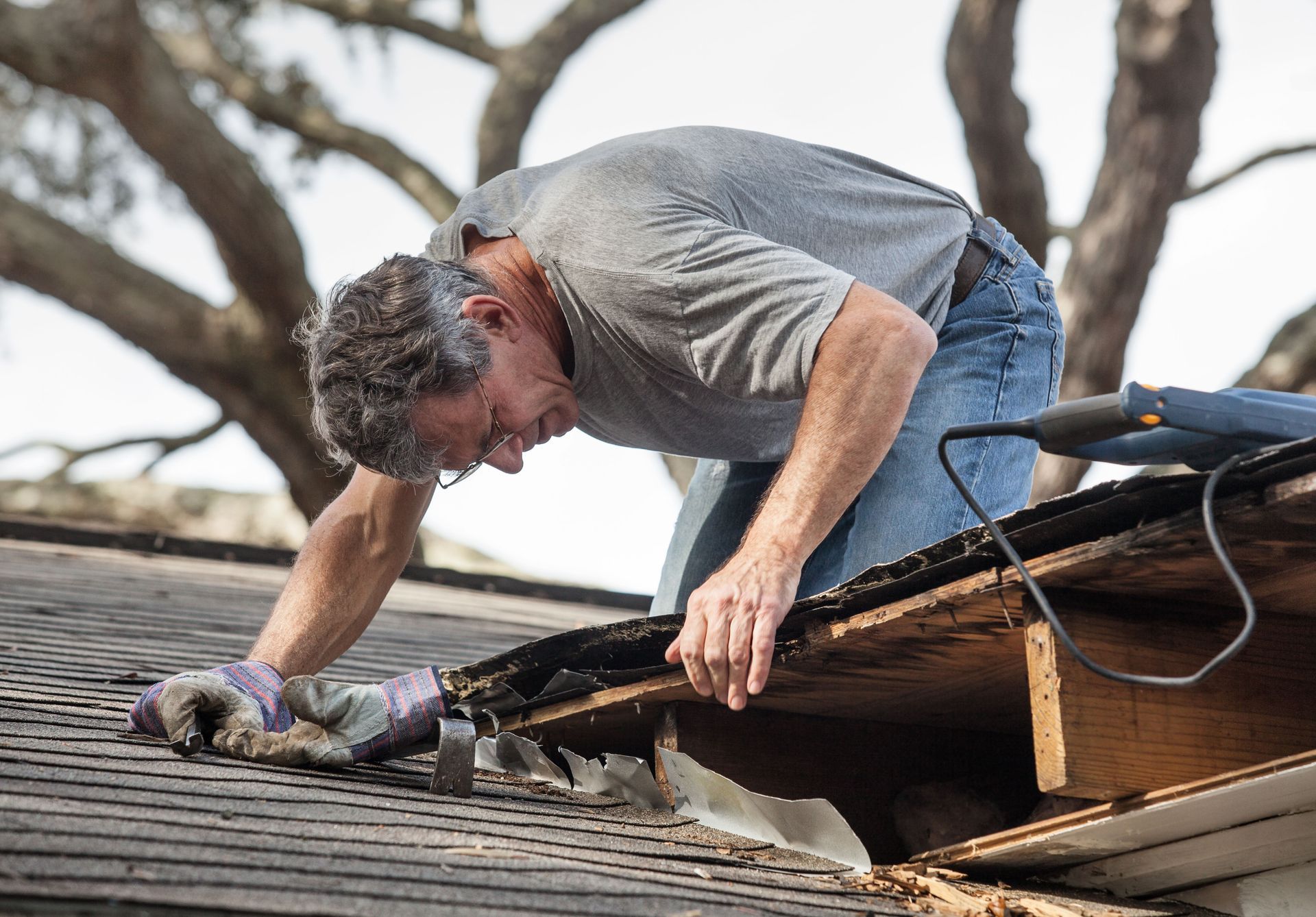
Water can weaken building materials when leaks remain unresolved. Prolonged moisture exposure may damage drywall, flooring, insulation, and wooden framing. Severe deterioration can compromise structural components and require substantial restoration.
A professional home inspection service can identify visible evidence of moisture intrusion and recommend further evaluation when necessary. Early identification helps property owners address concerns before they become more complicated.
Reducing Unexpected Repair Expenses
Undetected plumbing problems can become financially burdensome. A minor leak may initially require a straightforward repair, but prolonged exposure can damage cabinets, walls, and flooring.
Professional inspections provide information about a property's condition. Although inspections cannot prevent every plumbing failure, they can reveal observable concerns homeowners might otherwise overlook. Addressing problems promptly may help reduce extensive repairs.
Protecting Indoor Living Conditions
Excess moisture creates conditions that encourage mold growth. Persistent dampness may contribute to unpleasant odors, deteriorating materials, and indoor air quality concerns.
Plumbing leaks near bathrooms, kitchens, and utility areas deserve attention because these spaces contain moisture-sensitive materials. Identifying visible water damage helps homeowners determine when professional assessment or remediation may be necessary.
Professional Methods for Identifying Plumbing Concerns
Evaluating Visible Plumbing Components
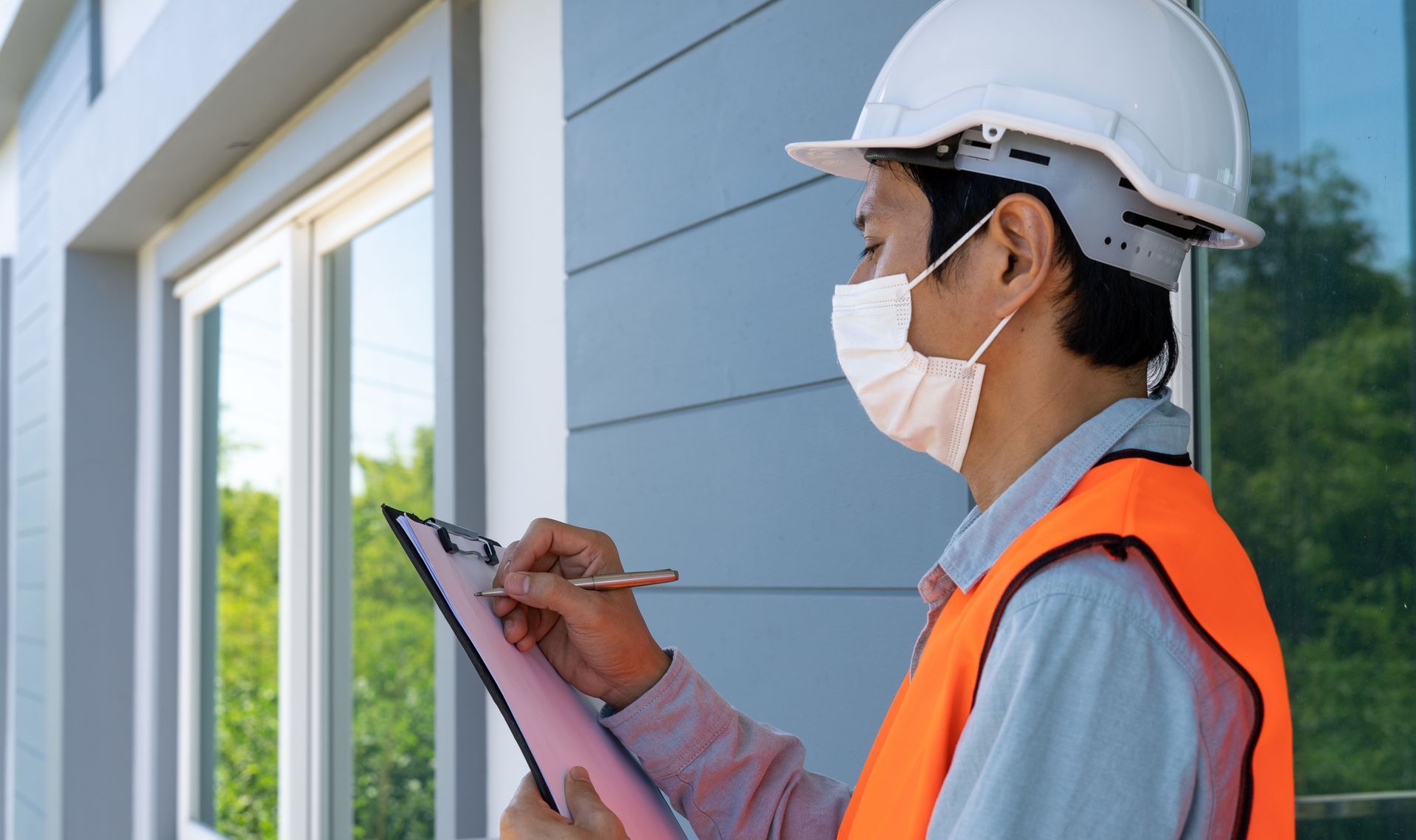
A professional inspection generally includes examining accessible plumbing components for signs of leaks, deterioration, or improper installation. Inspectors may evaluate exposed pipes, connections, faucets, drains, and fixtures.
At Eagle Inspections, we recognize that visible plumbing conditions reveal important information about a home's maintenance needs. A thorough home inspection service helps buyers and homeowners understand observable defects and potential concerns.
Assessing Moisture-Prone Areas
Certain locations are particularly vulnerable to moisture problems. Areas beneath sinks, around toilets, near water heaters, and adjacent to plumbing connections may develop unnoticed leaks.
Inspectors look for staining, damaged materials, corrosion, and other indications of water exposure. These observations help determine whether a plumbing concern requires further investigation by a qualified specialist.
Using Inspection Technology
Depending on the inspection scope and available equipment, professionals may use moisture meters or thermal imaging cameras to investigate suspicious conditions.
Moisture meters help evaluate moisture levels in certain materials, while thermal imaging may reveal temperature differences associated with possible moisture intrusion. However, these technologies cannot independently confirm every concealed leak.
A professional home inspection service combines appropriate inspection methods with visual observations to assess accessible areas.
Documenting Inspection Findings
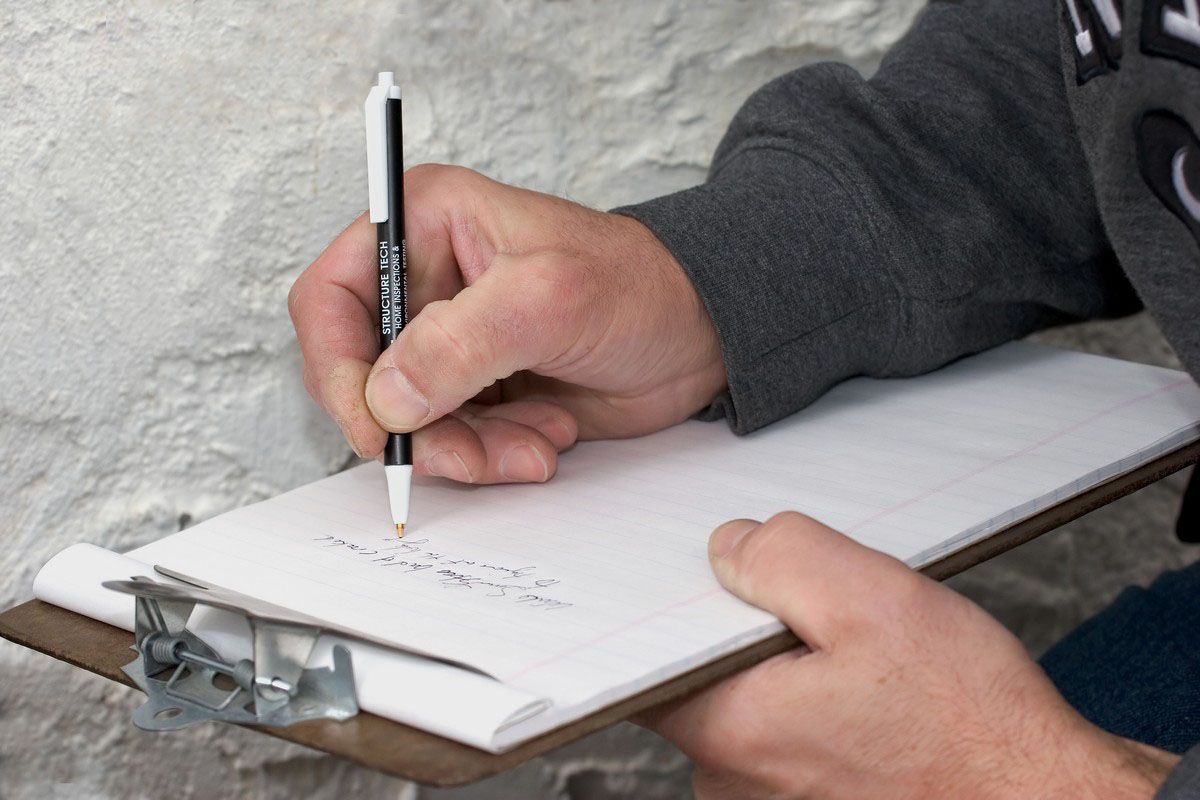
Clear documentation is essential to the inspection process. Photographs, written observations, and descriptions of visible defects help property owners understand identified concerns.
An inspection report also serves as a reference when consulting plumbers or qualified contractors. By identifying areas requiring attention, inspectors help homeowners prioritize their next steps.
Common Plumbing Problems Found During Inspections
Leaking Pipes and Connections
Pipes and plumbing connections can deteriorate because of age, corrosion, movement, or improper installation. Leaks may develop around joints, fittings, and exposed supply lines.
During an inspection, visible corrosion, moisture accumulation, or staining may indicate existing or previous leakage. Identifying these conditions helps homeowners determine whether additional plumbing evaluation is necessary.
Dripping Faucets and Fixtures
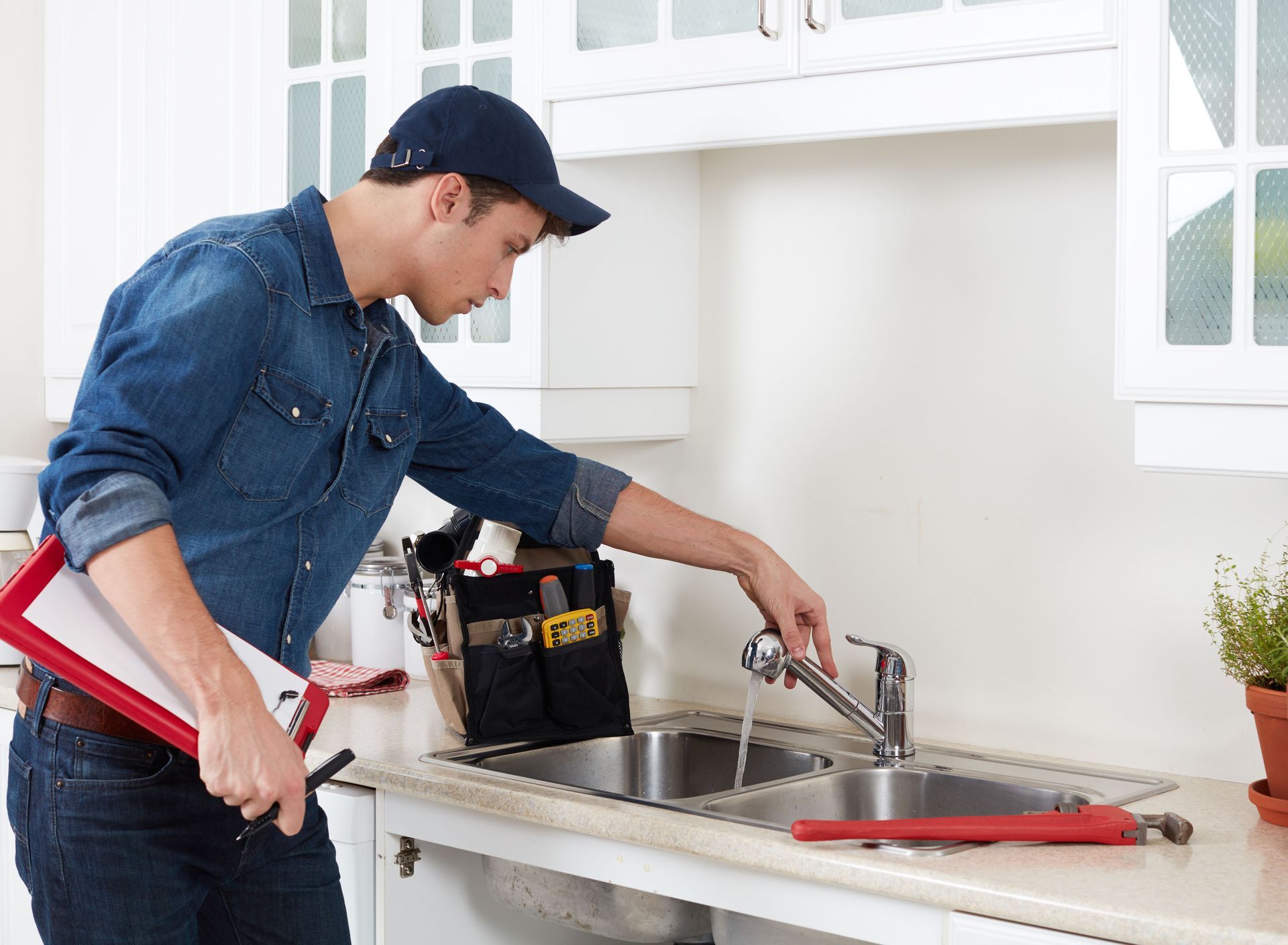
Faucets, toilets, and other plumbing fixtures can develop leaks as internal components wear down. Although a dripping faucet may appear insignificant, continuous water loss can increase utility expenses.
Inspectors may identify dripping fixtures, loose connections, or visible leakage around accessible plumbing components. These findings help property owners arrange repairs and reduce unnecessary water waste.
Leaking Water Heaters
Water heaters can develop leaks around fittings, valves, or storage tanks. Corrosion, aging components, and installation problems may contribute to moisture accumulation around these appliances.
A professional home inspection service can evaluate accessible water heater components for visible concerns. Discovering corrosion, staining, or active leakage allows homeowners to seek assessment before additional damage occurs.
Leaking Drainage Components
Drainage problems may cause water to escape around pipe connections or plumbing fixtures. Loose fittings, damaged seals, and deteriorating drainpipes can contribute to leakage beneath sinks.
Home inspectors can identify visible signs of drainage defects during normal inspection procedures. More extensive problems involving concealed piping or sewer lines may require specialized testing by a licensed plumber.
The Value of Professional Inspection Expertise
Recognizing Subtle Warning Signs
Not every plumbing problem produces an obvious puddle. Experienced inspectors understand how discoloration, damaged finishes, corrosion, and unusual moisture patterns may indicate underlying concerns.
Professional knowledge helps distinguish ordinary wear from conditions warranting further investigation. This expertise is valuable when evaluating older homes or properties with uncertain maintenance histories.
Understanding Inspection Limitations
A standard home inspection is generally a visual, noninvasive evaluation of accessible systems and components. Inspectors typically do not open walls, dismantle plumbing systems, or guarantee that concealed pipes are free from defects.
Understanding these limitations helps homeowners maintain realistic expectations. When an inspector identifies suspicious conditions, specialized leak detection or additional plumbing assessments may be recommended.
Providing Actionable Recommendations
An inspection report should do more than identify visible defects. It should help homeowners understand which concerns deserve attention and when additional professional evaluation may be appropriate.
At Eagle Inspections, we believe clear communication helps clients make confident property decisions. Choosing a reliable home inspection service provides insight into a home's condition without requiring homeowners to diagnose complicated plumbing problems themselves.
Financial Benefits of Early Leak Detection
Limiting Potential Repair Costs
Early identification of plumbing concerns can prevent minor issues from developing into larger expenses. Water damage restoration may involve replacing flooring, cabinets, insulation, or other affected materials.
While inspection findings cannot guarantee future savings, they provide information supporting timely maintenance decisions. Addressing problems before damage spreads can make repairs more manageable.
Supporting Property Transactions
Plumbing conditions can influence residential real estate transactions. Buyers benefit from understanding visible defects before purchasing, while sellers may use inspection findings to identify concerns requiring attention.
A professional home inspection service offers an objective assessment of accessible components and helps buyers evaluate maintenance responsibilities. Clear findings can support conversations about repairs and property conditions.
Protecting Long-Term Property Value
Consistent property maintenance helps preserve a home's functionality and appeal. Unresolved plumbing leaks can create deterioration and complicate future repair or resale decisions.
Professional inspections provide information about existing conditions and maintenance priorities. By addressing identified concerns, homeowners can protect their investment and maintain a comfortable living environment.
Schedule a Professional Home Inspection With Eagle Inspections
Early leak detection plays an important role in protecting residential properties from avoidable moisture damage. Understanding plumbing warning signs and recognizing the value of professional evaluations helps homeowners make better maintenance decisions.
At Eagle Inspections, we're committed to helping clients understand their property's condition through professional inspections and clear reporting. Whether you're preparing to purchase a home or want insight into your current property, our team is here to help.
Contact Eagle Inspections today to schedule a home inspection service and gain valuable information about your home's plumbing conditions and overall property health.