October 31, 2026
Buying a home is a major financial commitment, and understanding a property's condition before closing is an important part of making an informed decision. While a house may look well-maintained during a showing, some problems can remain hidden behind walls, beneath flooring, or within major systems. Skipping a home inspection might seem like a way to simplify the purchasing process, particularly in a competitive real estate market, but it can expose buyers to unexpected expenses. Issues involving the roof, electrical wiring, plumbing, foundation, or heating and cooling systems may not be obvious during a casual walkthrough. Discovering these concerns after moving in can create stress and place additional pressure on a household budget. A professional evaluation provides valuable information about the property's visible condition and potential areas of concern.
Avoiding Unexpected Repair Expenses
One of the biggest risks of purchasing a property without an inspection is discovering expensive repairs after the sale is complete. Problems such as roof leaks, deteriorating plumbing, damaged electrical components, or failing appliances may not be apparent during a standard showing. A home inspection can help identify visible signs of these concerns before buyers finalize their purchase. Although not every defect can be detected, an inspection provides a more informed view of the property's condition than appearances alone. Buyers can review the findings and consider the potential costs of addressing significant issues. This information may also help them determine whether the home fits their financial plans. Without an inspection, buyers may need to pay for repairs immediately after moving in, sometimes while managing moving costs and mortgage payments. Understanding the property's condition in advance can make it easier to prepare a realistic budget and reduce the likelihood of unpleasant financial surprises.
Identifying Hidden Structural Problems
Structural concerns can affect a property's stability, safety, and long-term maintenance requirements. Cracks in foundation walls, sloping floors, sticking doors, or visible signs of water intrusion may indicate problems that deserve further attention. A qualified inspector can examine accessible areas and look for conditions that could suggest structural deterioration. The evaluation may include visible portions of the foundation, framing, floors, ceilings, and other accessible structural components. Identifying warning signs early gives buyers an opportunity to seek additional assessment from an appropriate specialist when necessary. This is particularly important because some structural repairs can be disruptive and expensive. A property that appears attractive on the surface may still have underlying issues that influence its overall value. Having a professional review accessible areas helps buyers better understand what they are purchasing and determine whether further investigation is warranted.
Evaluating Essential Home Systems
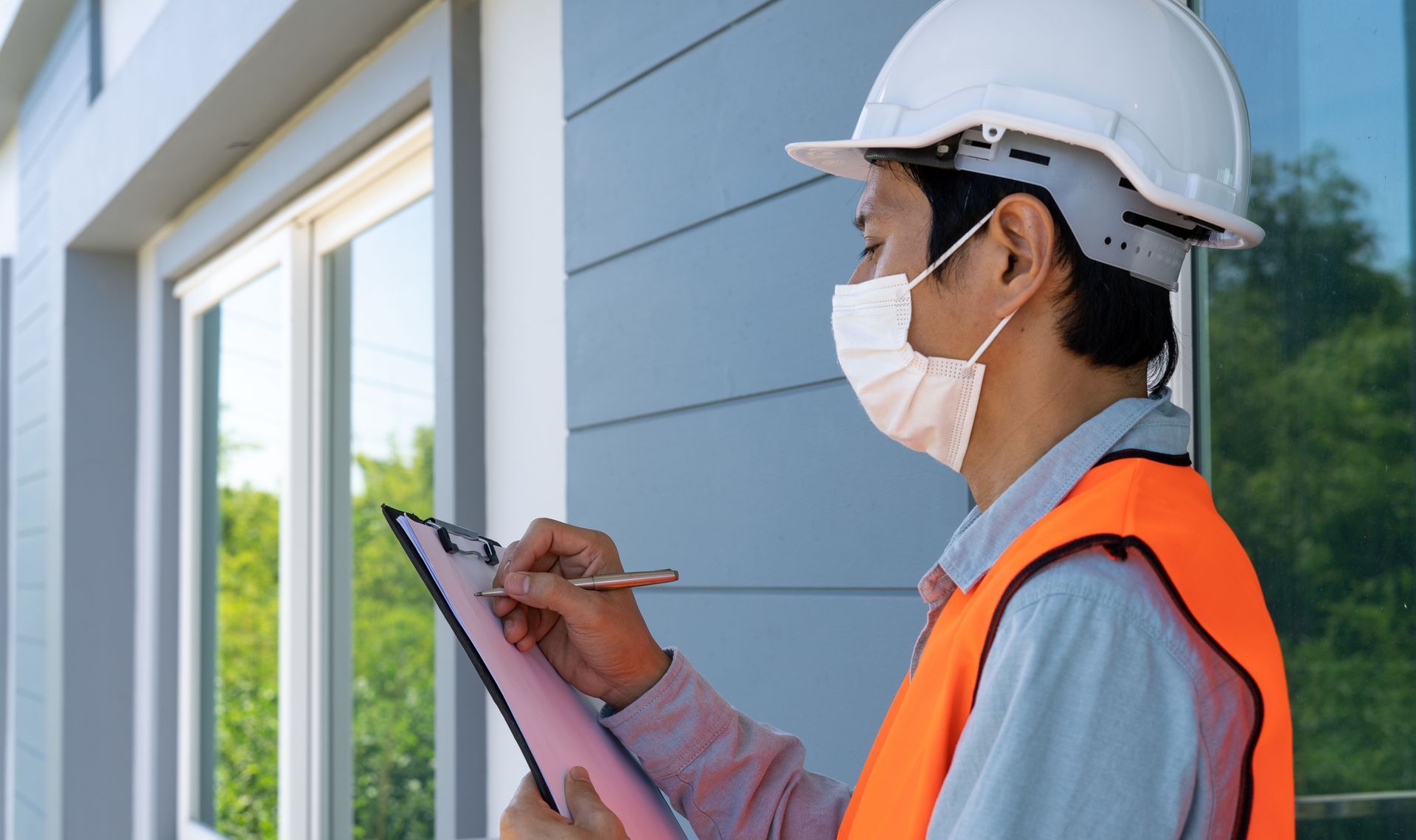
A home's major systems contribute to everyday comfort, functionality, and safety, making their condition important to evaluate before purchase. Plumbing problems can cause leaks and water damage, while electrical defects may create hazards or require professional corrections. Heating and cooling equipment can also involve significant repair or replacement expenses if major components are deteriorating. During a home inspection, the inspector generally evaluates accessible and observable components of these systems using the applicable inspection standards. The findings can highlight visible defects, operational concerns, and areas that may need additional attention. Buyers can then ask questions about the reported conditions and consult qualified contractors when specialized evaluation is recommended. Understanding the state of these systems can help buyers anticipate maintenance requirements and make more informed decisions. Although an inspection does not guarantee that every system will operate without future problems, it offers useful insight into the property's condition at the time of the assessment.
Recognizing Moisture and Pest Concerns
Moisture intrusion and pest activity can cause damage that becomes more expensive to address when left undiscovered. Water stains, musty odors, deteriorating materials, and visible fungal growth may indicate moisture problems that require further evaluation. Wood-destroying insects can also damage structural components, sometimes leaving signs that are difficult to recognize without careful examination. A professional home inspection can identify visible evidence of water intrusion, material deterioration, and certain pest-related concerns when they fall within the inspection's scope. Inspectors may recommend specialized evaluations if they observe conditions that require expertise beyond a general property inspection. These findings help buyers understand whether additional investigation may be appropriate before proceeding with the purchase. Addressing moisture or pest issues can involve repairs to damaged materials and corrections to the conditions that allowed the problem to develop. Learning about potential warning signs before closing can help buyers avoid overlooking concerns that could affect future maintenance costs.
Supporting Better Negotiation Decisions
Information about a property's condition can help buyers make more informed decisions during the purchasing process. If an inspection identifies significant defects, buyers may be able to discuss repairs, negotiate terms, or reconsider the transaction, depending on the purchase agreement and applicable deadlines. A home inspection report provides documented observations that can support conversations with the seller and real estate professionals. Buyers can prioritize issues based on their seriousness, potential repair costs, and impact on the property's usability. Some concerns may be relatively minor, while others could justify obtaining estimates from qualified contractors before making a decision. Understanding the difference can help buyers focus their attention on the most important findings. Waiving an inspection contingency may limit certain options or protections, depending on the contract and local requirements. Reviewing inspection-related provisions with a qualified real estate professional can help buyers understand their available choices before committing to a purchase.
Understanding Long-Term Maintenance Needs
Every property requires ongoing maintenance, but the type and amount of work can vary considerably depending on its age, construction, and previous upkeep. An inspection can help buyers identify visible conditions that may require attention soon or over the coming years. These observations may involve aging roofing materials, deteriorating exterior finishes, worn fixtures, or components showing signs of normal wear. According to the National Association of Realtors, 21% of homebuyers waived the inspection contingency in September 2025, underscoring why buyers should understand the potential risks of proceeding without a professional evaluation. An inspection report can help buyers organize maintenance priorities and plan for future expenses more realistically. It may also identify areas where additional specialist assessments would provide useful information about expected repair or replacement needs. This knowledge can be especially valuable for first-time buyers who are unfamiliar with the responsibilities of maintaining a property. Planning ahead can help homeowners manage their budgets and reduce the likelihood of neglecting important maintenance tasks.
Making a More Confident Purchase Decision
Buying a home involves balancing financial considerations, personal preferences, and the property's physical condition. An inspection gives buyers an opportunity to learn more about visible defects and maintenance concerns before completing the transaction. Rather than relying exclusively on appearance or a seller's disclosures, buyers receive an independent assessment of accessible components and systems. This information can help them decide whether the property meets their expectations and whether any identified concerns are manageable. Buyers may also use the report to prepare questions for the seller, lender, insurance provider, or relevant specialists when appropriate. It is important to remember that inspections are visual assessments and do not guarantee the absence of hidden defects or future failures. Nevertheless, the information provided can reduce uncertainty and support a more thoughtful purchasing decision.
Purchasing a home without a professional evaluation can leave buyers unaware of repair needs, maintenance concerns, and potential safety issues. From examining accessible structural components to reviewing visible signs of problems with major systems, an inspection provides useful information before an important financial commitment. Although no inspection can uncover every hidden defect, it can help buyers recognize concerns that deserve attention and determine whether additional evaluations are needed. Eagle Inspections can help homebuyers better understand a property's visible condition as they prepare for their purchase. Before finalizing a transaction, consider the value of obtaining an independent assessment and reviewing the findings carefully. Contact us to learn more about scheduling a home inspection and taking an informed step toward your next home.