August 22, 2026
Home inspections are a crucial step in the home buying process, offering numerous benefits to prospective homeowners. This article delves into the essential reasons why scheduling a home inspection service is an indispensable part of securing your dream home. By identifying potential issues early in the process, homeowners can prevent costly repairs and ensure the safety and stability of their investment.
Inspections cover various aspects of the home, from structural integrity to electrical and plumbing systems. Understanding the findings from a thorough home inspection can greatly impact your decision on whether to proceed with a purchase. By evaluating essential components, you can be certain that your future home is both safe and sound.
By taking these measures, homebuyers gain peace of mind, knowing that no hidden surprises will affect their lives or finances in the future. This overview will discuss each critical component of a home inspection and how it aids in purchasing decisions. We aim to outline the advantages of engaging professional services to safeguard your potential home investment.
1. Ensuring Structural Integrity
A primary reason for a home inspection is to ensure the structural integrity of the property. Identifying issues with the foundation can prevent future stability problems and maintain the home’s value over time. These issues can include shifts due to natural settling or structural failures caused by external forces such as drainage and environmental factors.
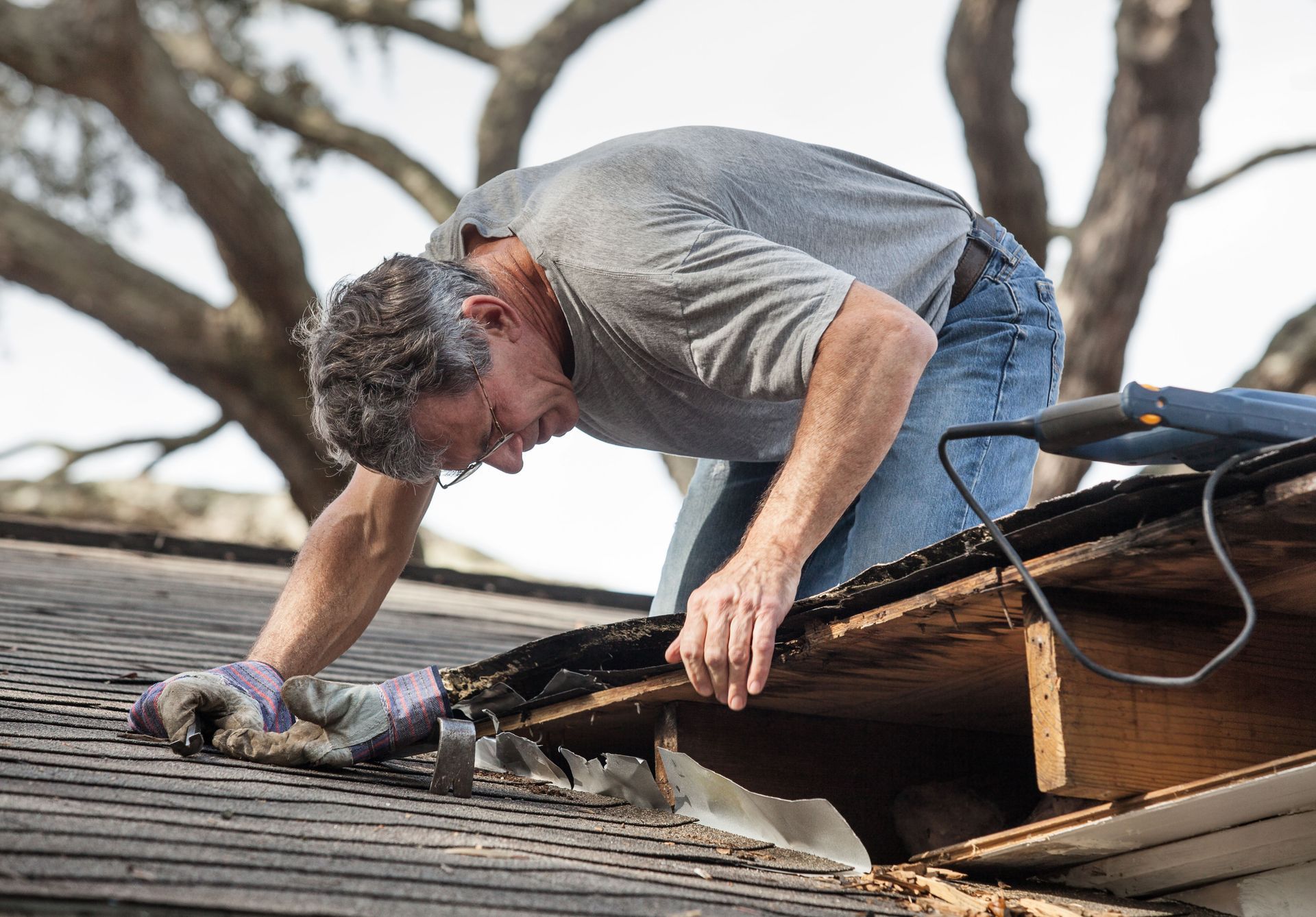
The inspection process extends beyond the foundation to include roofs, walls, ceilings, and flooring. Professional inspectors have the experience needed to detect roof damage such as leaks or missing shingles, which may not be immediately visible to the untrained eye. Moreover, they can also reveal water damage that might indicate leaks, hazardous mold, or structural decay.
By ensuring that all windows and doors are properly aligned and sealed, a home inspection service can help homeowners prevent energy loss and safeguard against the entry of outside elements. Issues in these areas can lead to drafty interiors and inflated energy costs. The inspection identifies potential problems so you can address them proactively and enhance the longevity of your investment.
2. Discovering Electrical System Flaws
The electrical system of a house is another critical aspect that requires thorough inspection. According to Inter NACHI, improper electrical wiring is one of the most frequently discovered issues during home inspections, with reports indicating that 19.9% of inspectors identify it as a common defect. This places significant importance on ensuring that all wiring systems are safe and up to code to reduce the risk of electrical fires.
The inspection process also involves examining the circuit breaker box for any potential overloads or necessary upgrades. This provides homeowners with confidence that their electrical demands are supported safely. Furthermore, the function and proper installation of lighting fixtures are scrutinized to ensure they meet current regulations and contribute effectively to energy efficiency.
Inspectors with a home inspection service test smoke and carbon monoxide detectors to confirm their proper installation and operation. This step is crucial for safeguarding the home’s occupants in emergencies. Finally, the electrical system’s overall energy efficiency is analyzed with suggestions for improvements to help lower energy costs and increase comfort and safety within the home.
3. Assessing Plumbing System Health
A thorough inspection of the plumbing system is just as vital as checking for electrical flaws. During the process, all pipes and fixtures are examined for leaks, corrosion, and proper installation, safeguarding against water damage hazards. Inspectors also check that the water pressure is both adequate and consistently maintained across all faucets within the home.
Part of the plumbing review provided by a home inspection service includes evaluating the water heater’s condition, age, and efficiency, which can reveal potential future issues and necessary replacements. Additionally, a comprehensive check of drainage and sewage systems helps to identify blockages or problems that could lead to costly repairs. These measures equip prospective homeowners with the information they need to maintain a functional and efficient plumbing system.
Moreover, the inspection looks for signs of mold or mildew, which might indicate leaks or other plumbing issues causing moisture accumulation. Understanding these risks can help homebuyers address such concerns promptly, ensuring a healthy living environment. Overall, assessing the health of the plumbing system ensures the longevity of your home and provides peace of mind by mitigating potential water-related concerns before they can escalate.
4. Recognizing Pest and Termite Damage
In addition to assessing the structural and system integrity of a home, inspections ensure that the property is free of pests and termite damage. These inspections involve identifying signs of termite infestation, such as wood damage or mud tubes that termites commonly use. Termite damage can significantly impact a home’s structure, requiring costly remediation if not discovered early on.
Inspectors also look for potential rodent entry points and evidence of other pests. Identifying nests or damage, particularly in the attic and basement, is an important preventive step before these issues become widespread. Home inspection services also evaluate landscaping features to determine if they contribute to infestations, perhaps by allowing pests easy access to the home.
Proper ventilation is also crucial in preventing conditions that attract pests, thereby reducing the likelihood of infestations. Ensuring adequate airflow throughout the home can deter pests that thrive in humid, enclosed environments. Identifying and resolving pest-related issues not only protects property value but also maintains a safe, comfortable living space.
5. Evaluating Safety Features and Risks
The comprehensive scope of a home inspection also covers safety features and potential risks within the property. Inspectors assess the presence and effectiveness of home security systems such as alarms, cameras, and timed lighting, ensuring they meet the homeowners' needs for peace of mind. Furthermore, staircases and railings are examined for stability and safety compliance to avoid accidents.
Fire safety is another significant concern during a home inspection service. This includes reviewing the availability of fire extinguishers, ensuring proper labeling and functionality of escape routes, and checking compliance with fire safety codes. Potential environmental hazards such as the presence of asbestos or lead are also a focus, with recommendations provided to resolve any hazardous conditions found.
Finally, the inspection assesses emergency preparedness overall and suggests improvements for any deficiencies identified. This could include supplementing existing strategies or introducing additional safety measures. By comprehensively evaluating safety features, homeowners can live in their new properties with confidence, knowing that potential risks have been minimized or eliminated.
6. Establishing Fair Pricing and Negotiation Leverage
Beyond physical inspections, evaluating and documenting necessary repairs provides valuable negotiation leverage. A comprehensive inspection report, including a detailed list of repairs and areas of concern, is a potent tool in price negotiations. With clear evidence, buyers can negotiate more favorable terms or ask the sellers to address identified issues before the sale is completed.
Additionally, inspection findings can be used to accurately reassess the property's true value.
Knowledge of the home's underlying problems and future repair requirements helps buyers place fair, realistic offers. This assures buyers that they are acquiring a property at a justified price, safeguarding their financial interests over the long term. The process also helps avoid unforeseen expenses, as early detection of problems mitigates the risk of surprise costs later. Access to detailed, reliable information empowers buyers to make informed decisions about whether to proceed with a purchase. By illustrating the importance of thorough inspections, homebuyers can ensure their investment is not just an emotive choice, but a strategically sound decision that offers lasting security.
Scheduling a home inspection is a vital step in the home buying process, providing peace of mind and ensuring that prospective homeowners are making sound investments. By understanding these essential reasons, buyers can better appreciate the value of thorough inspections and the pivotal role they play in securing a safe and reliable home. Through professional assessments of structural integrity, system functionality, pest control, safety, and fair pricing, inspections reveal the hidden truths about a property.
The insights gained through a home inspection service not only enhance your negotiation power but also reaffirm your decision to commit to a secure, long-term investment. Informed buyers can confidently advance in their journey knowing they've taken the necessary precautions. After an in-depth inspection, the assurance of quality and safety becomes an invaluable asset in achieving the peace and security that homeownership promises.